Paerātā Railway Station
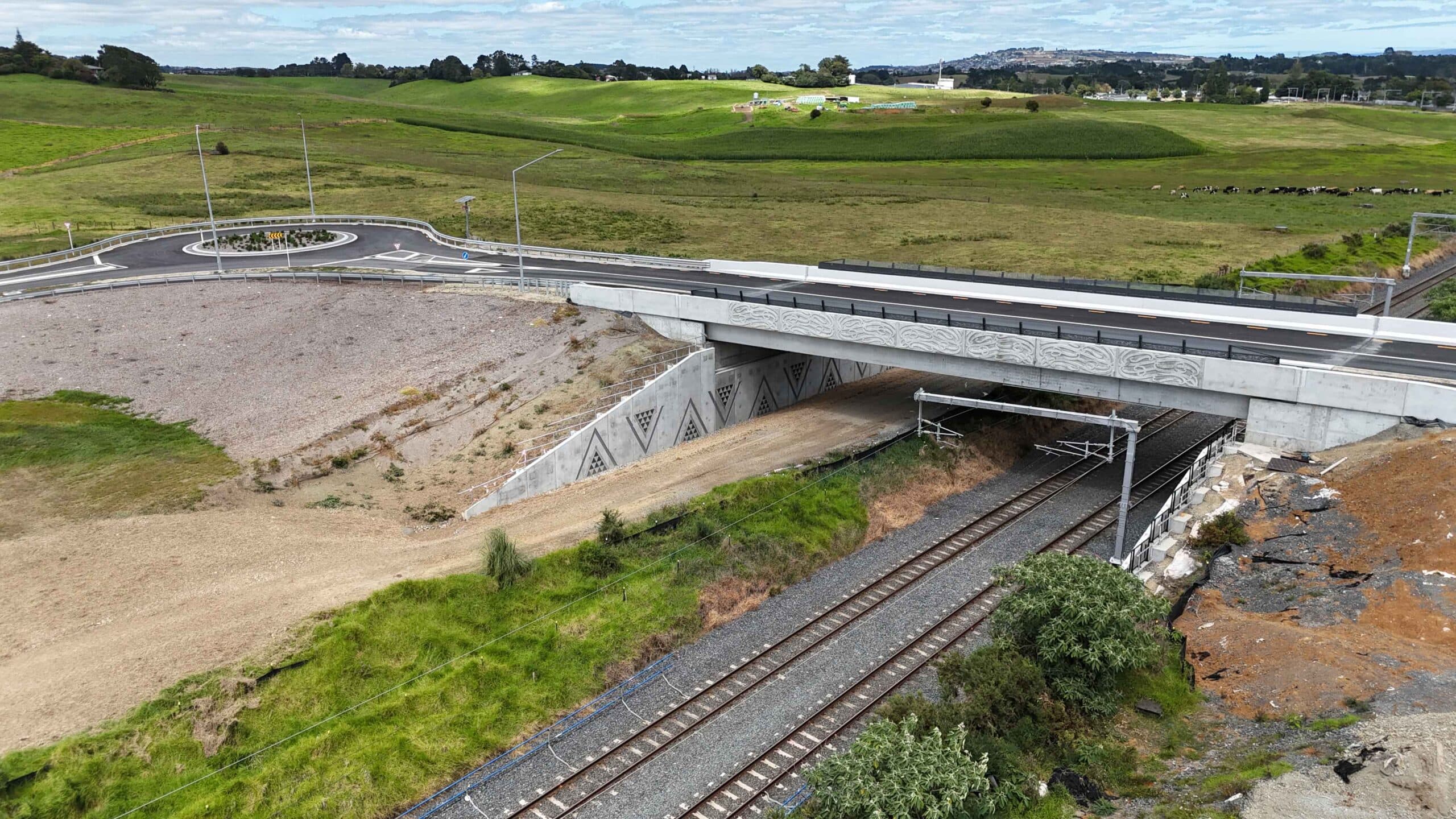
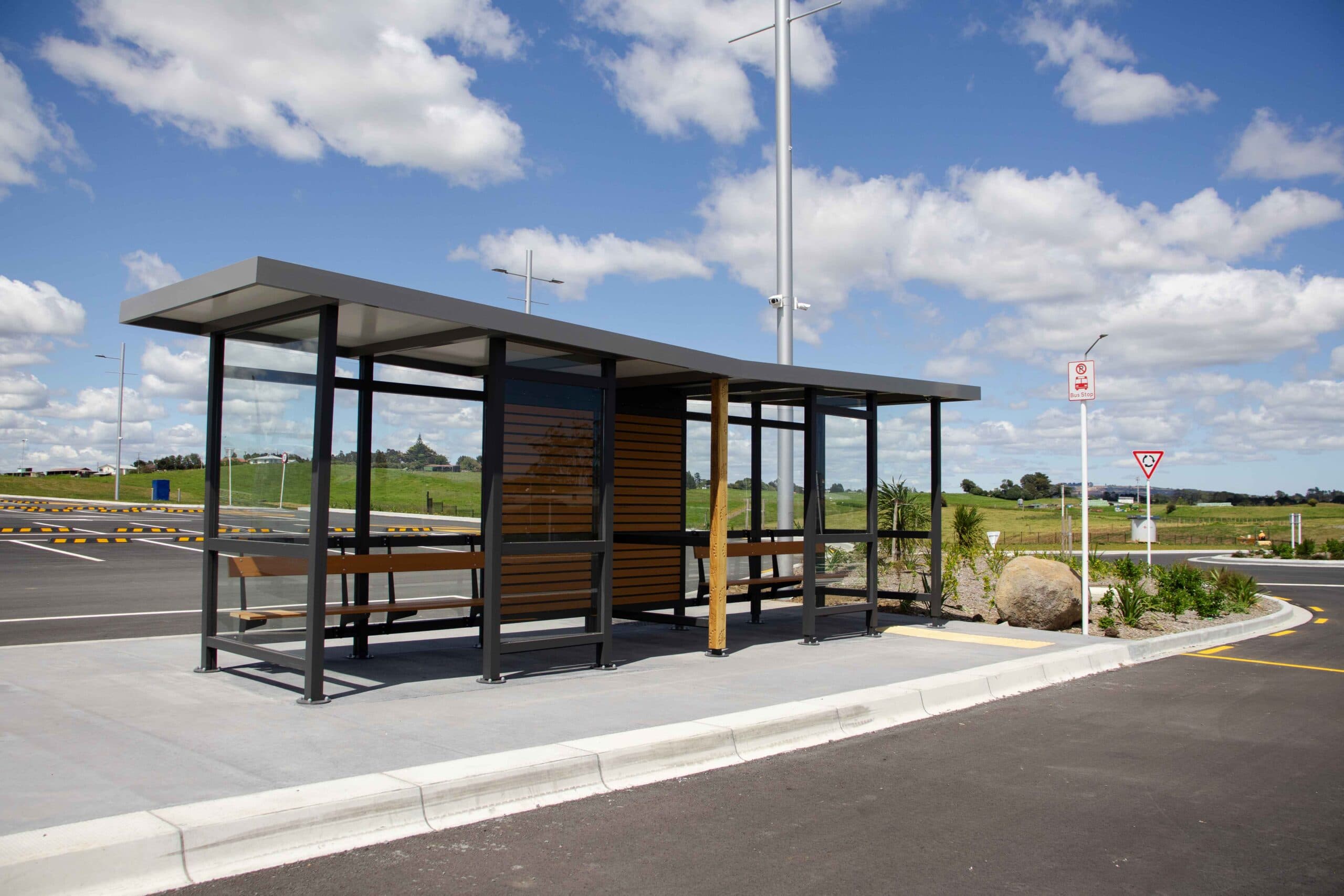
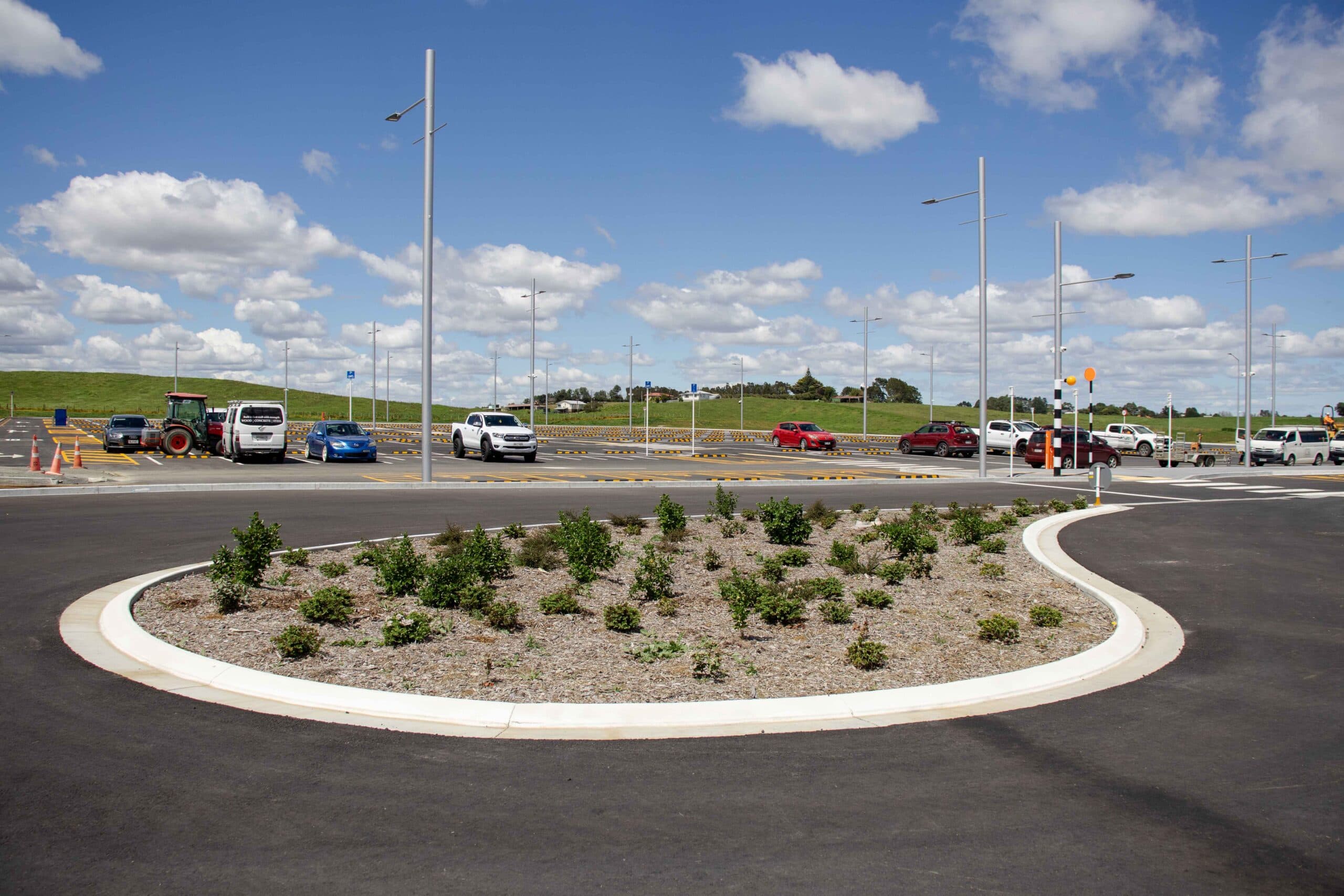
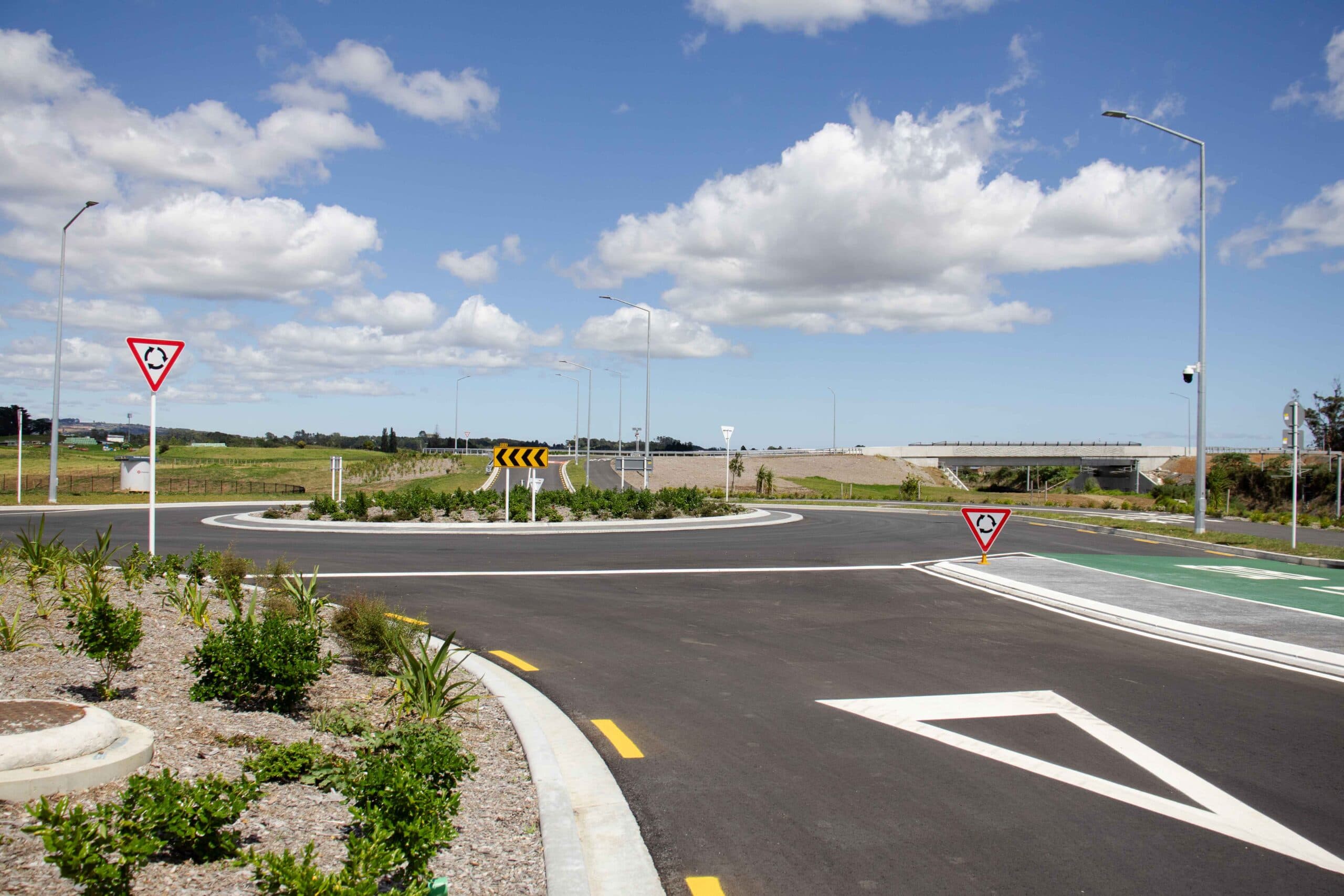
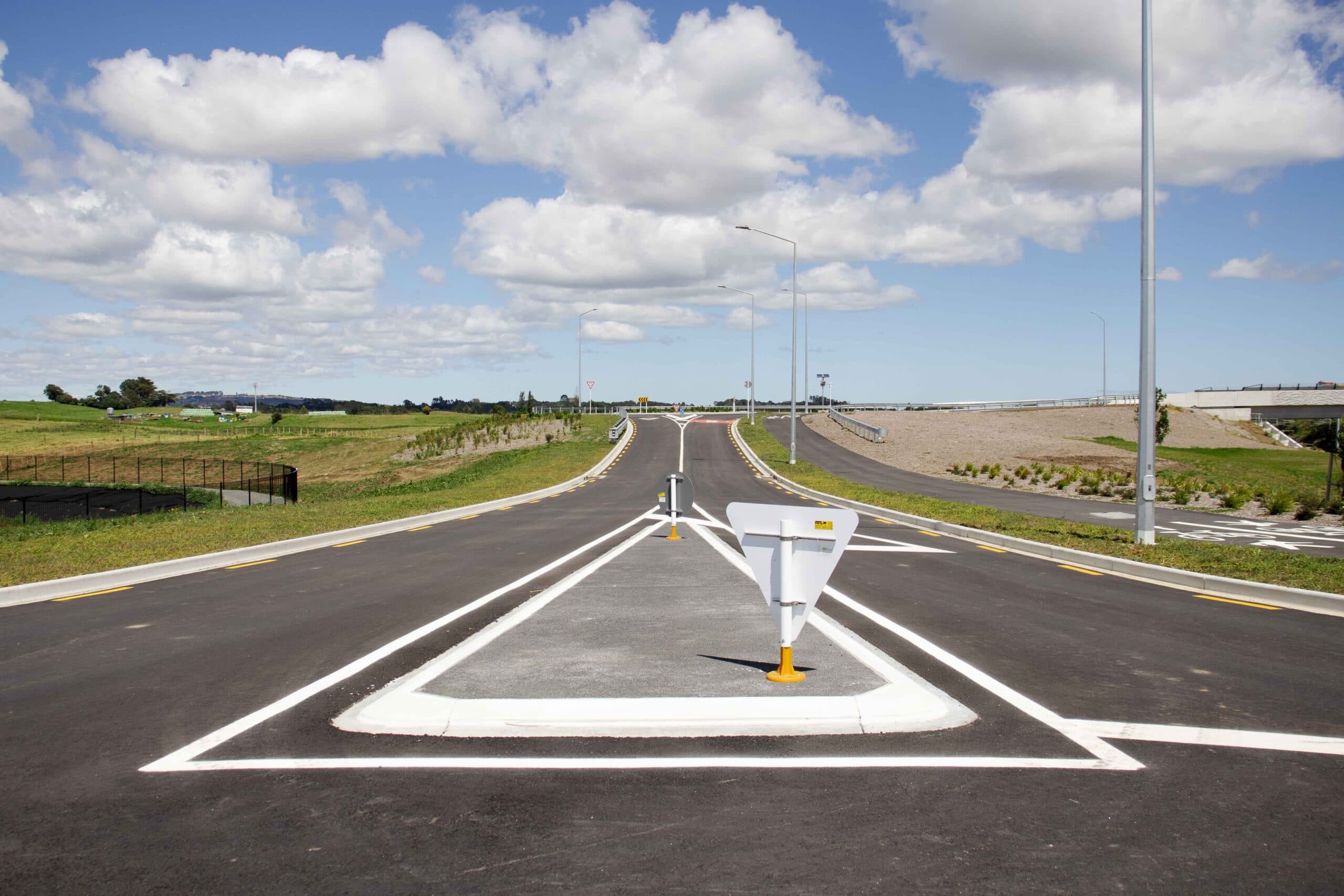
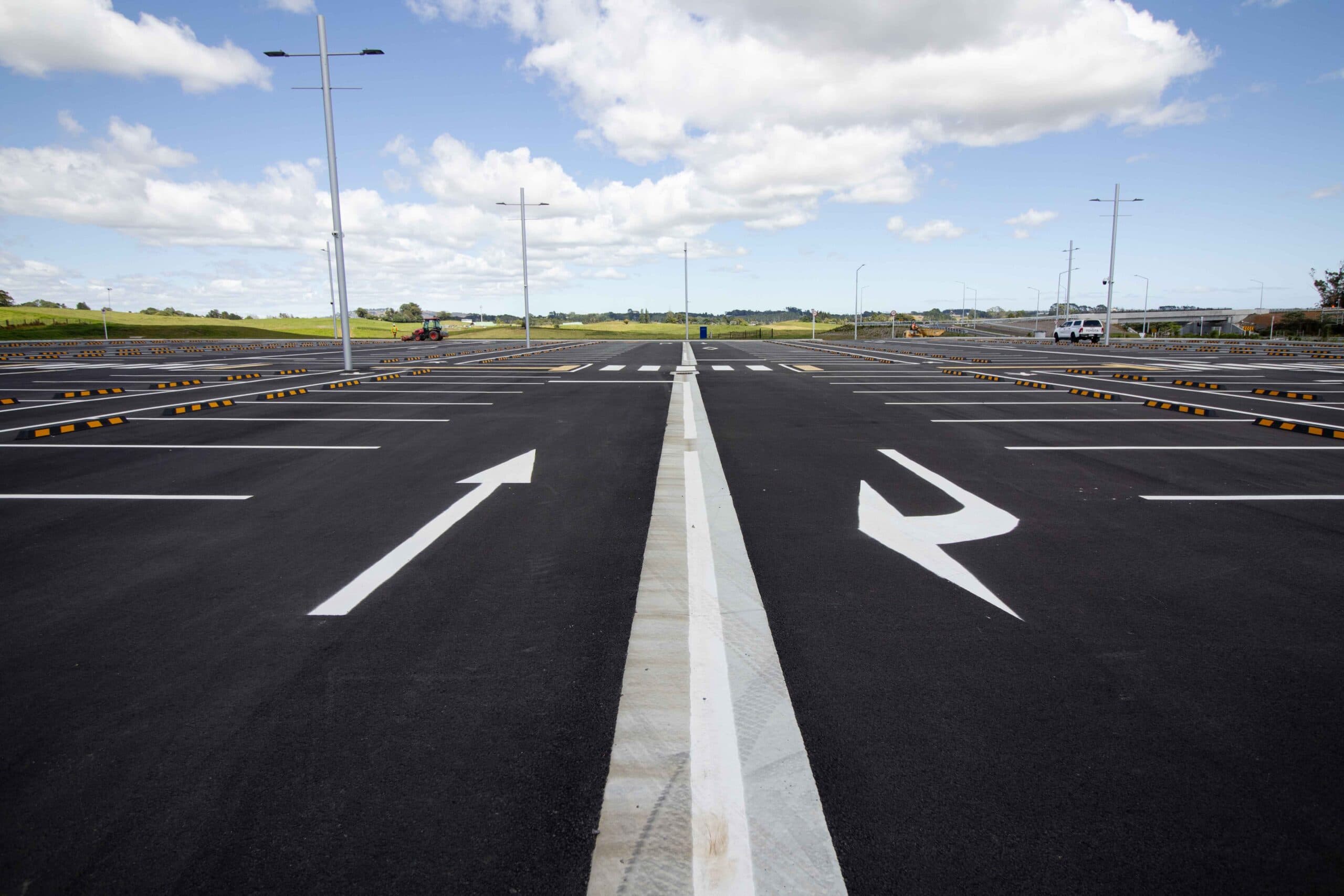
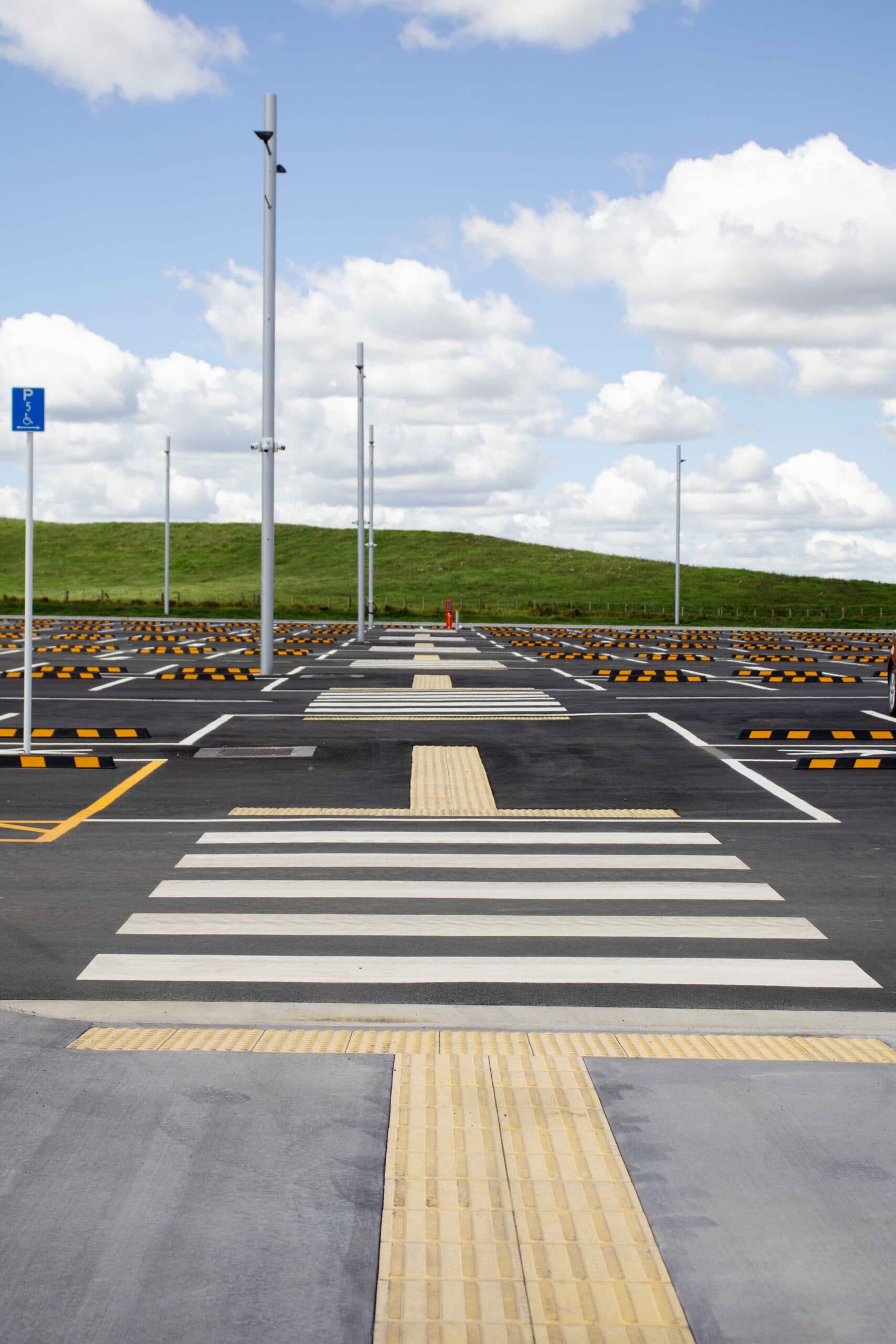
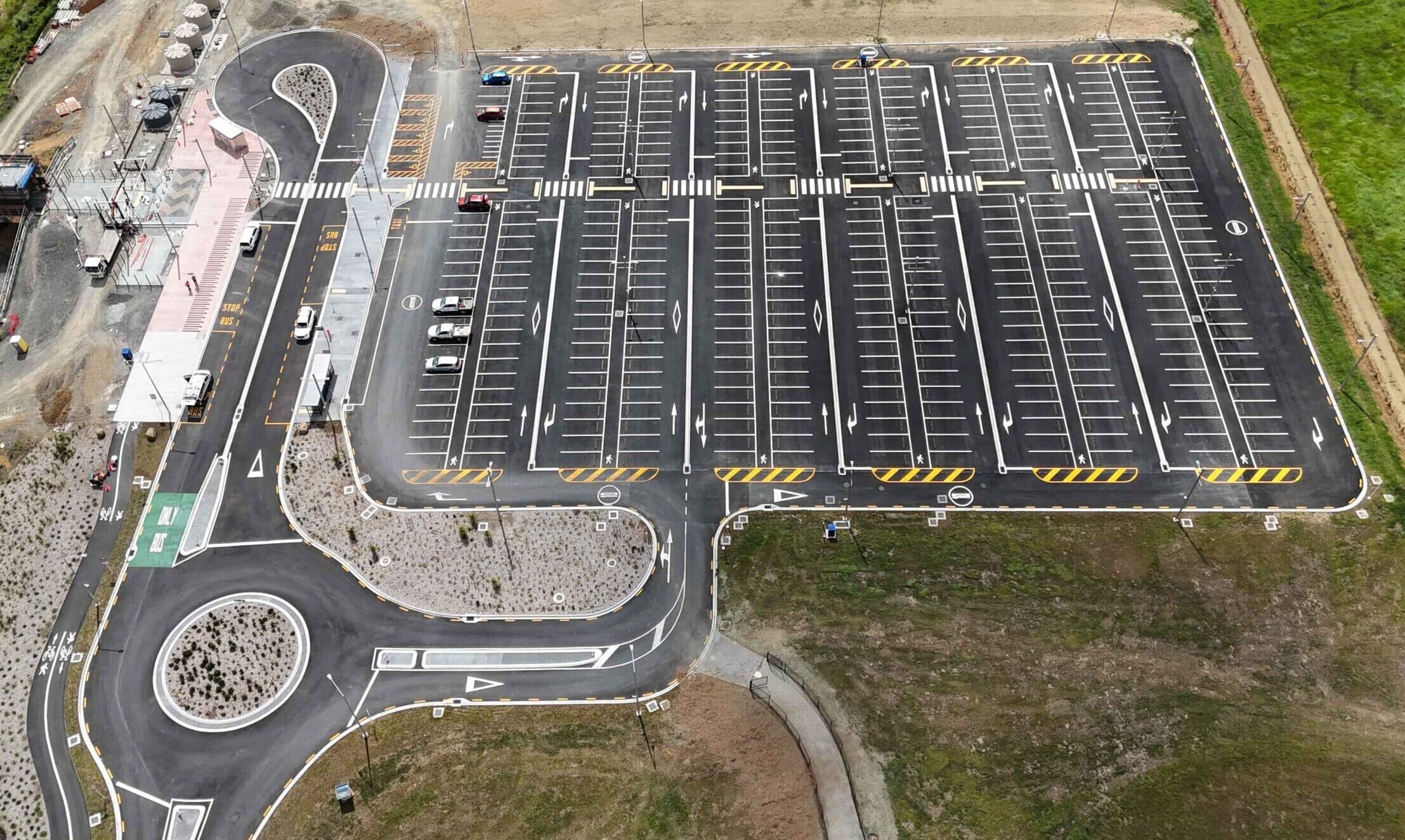
Paerātā Civil Works package forms a key part of the Drury Rail Station Programme, delivering the essential groundwork for future rail infrastructure. This complex project encompassed largescale earthworks, drainage and utility installation, and pavement construction to establish the foundations for a new and connected transport hub. The works involved significant site reshaping through extensive cut and fill operations, enabling formation of new accessways and platform areas. Comprehensive stormwater systems were installed alongside new pavements, footways, and carpark assets, supporting both functionality and long-term resilience. Delivered within a highly constrained environment, the project required careful coordination around active rail interfaces, existing underground services, and adjacent contractors. Strict environmental controls were implemented throughout, including robust erosion and sediment management measures to protect surrounding areas. In additional to bulk earthworks and subsoil treatments, the scope included deep drainage installation, preloading activities, and the construction of reinforced concrete structures such as piles and capping beams. Multiple utility services – including water, power, and large-diameter stormwater infrastructure were integrated through detailed staging and sequencing.
The scope of works consisted of the following:
Site establishment, temporary works, and supply of all labour, plant, and materials
Extensive cut and fill earthworks to achieve final landform and access routes
Installation and maintenance of erosion and sediment controls, including sediment retention ponds
Bulk earthworks incorporating subsoils, preloading, and reshaping for future station development
Construction of stormwater drainage networks, including large-diameter pipes, manholes, and outlets
Installation of power and water utilities across the site
Construction of road pavements, footways, berms, and carpark areas
Placement of reinforced concrete piles, capping beams, and structural foundations
Landscaping and shaping of wetland areas as part of environmental mitigation
Sequencing and coordination of works around rail infrastructure and complex underground services